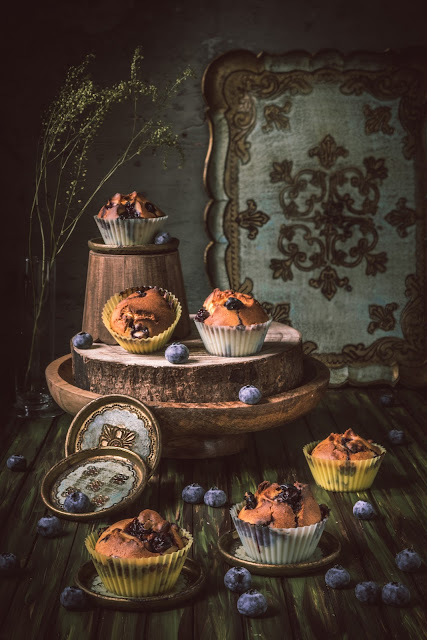
Blueberry muffins (version 2)
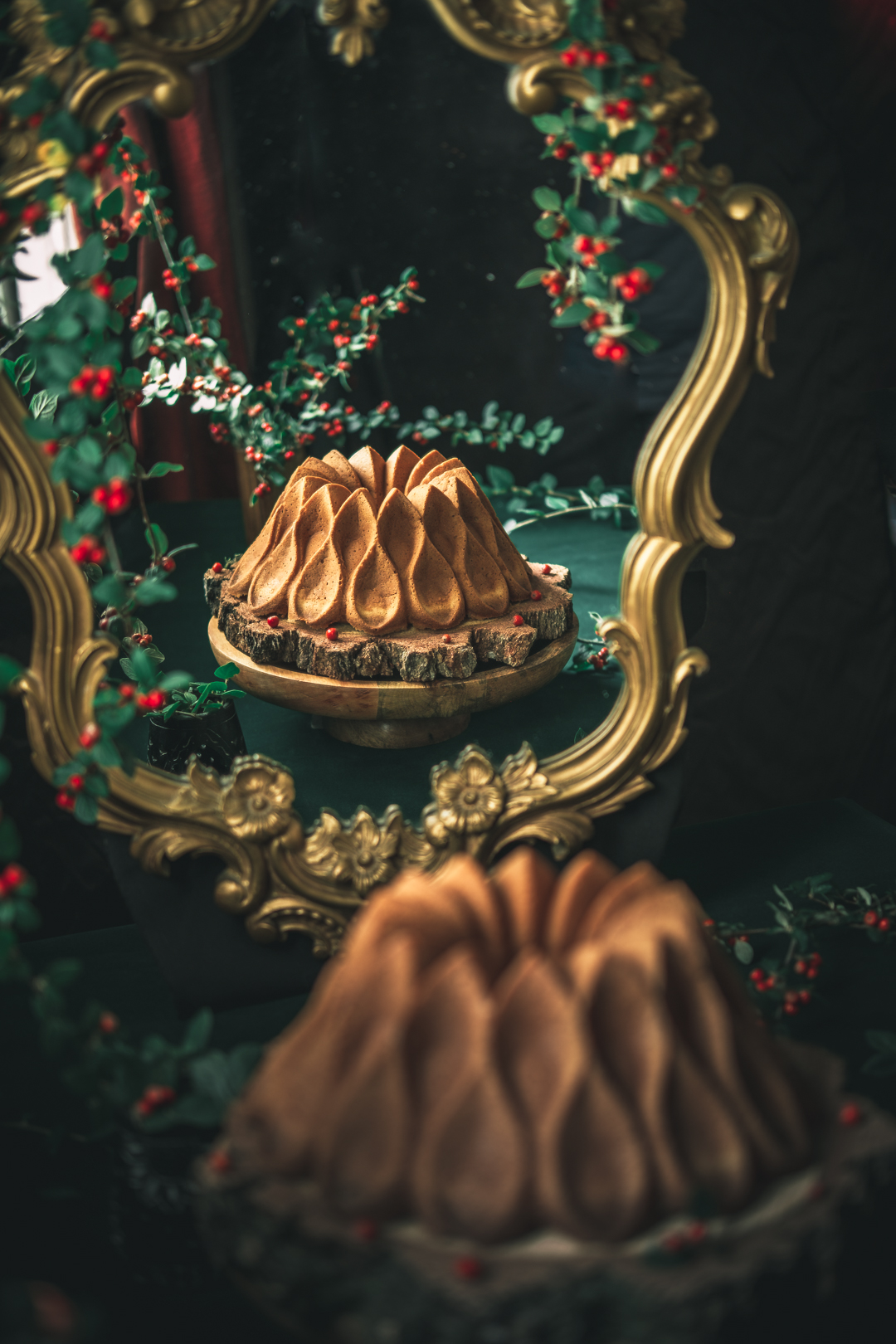
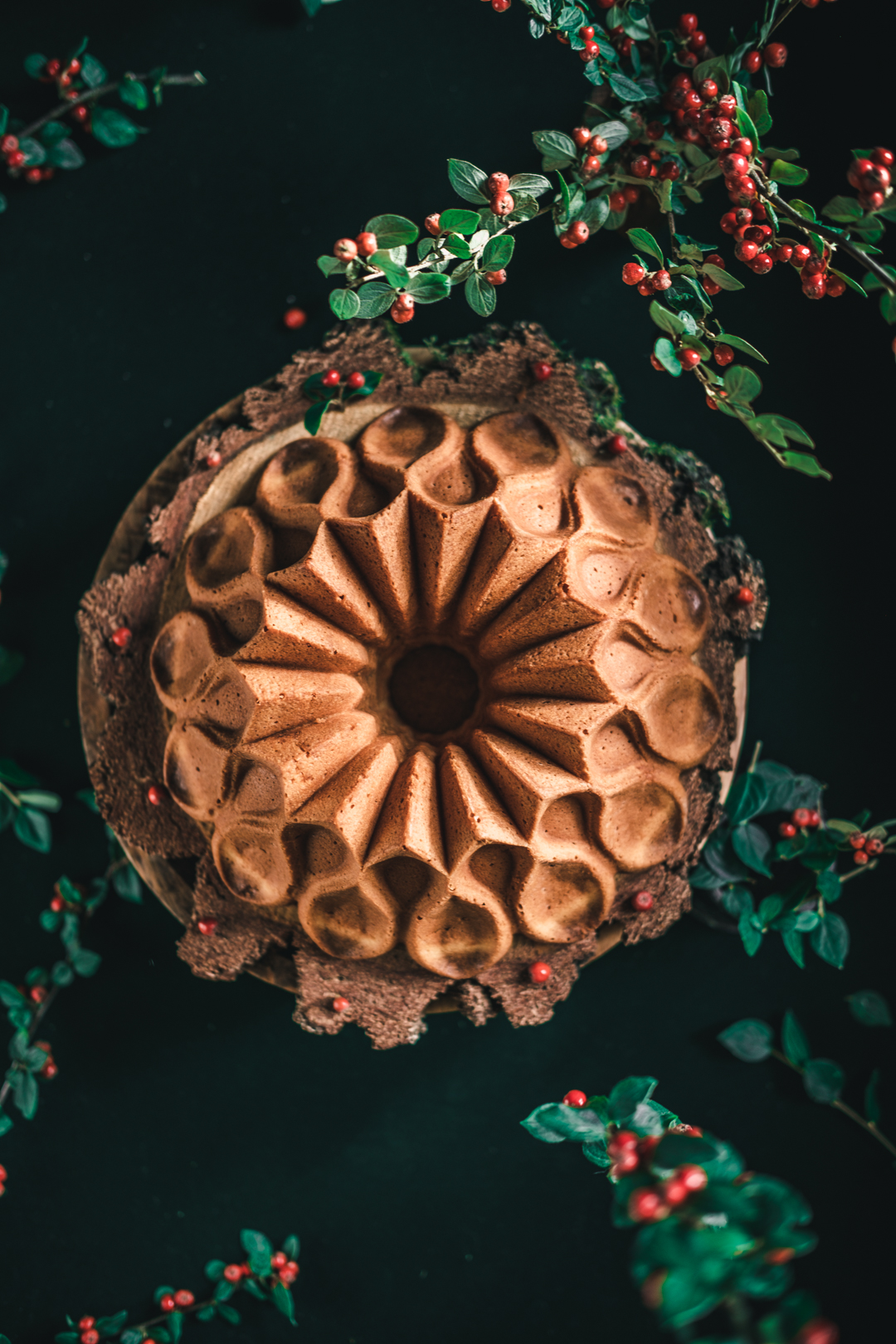
Coconut Bundt
I leave you to imagine the same and and a bit more... a bundt cake made with coconut.
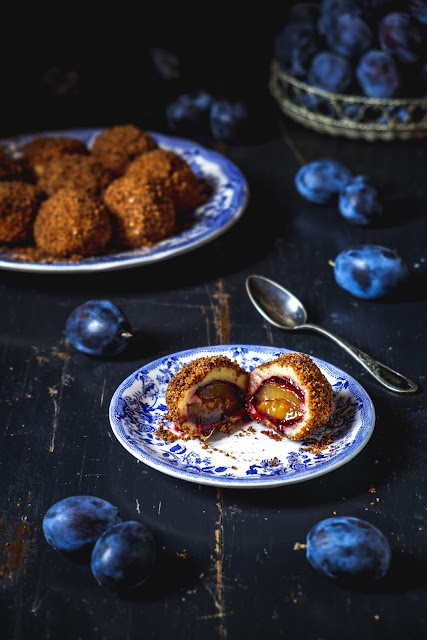
Plum Dumplings
Ingredients:
Dough:
- 550g boiled/steamed potatoes
- 150g all-purpose flour
- 80g sugar
- 2 yolks
- a pinch of salt
- 20 small plums
- 40g sugar
- 1 teaspoon cinnamon
- 150g breadcrumbs
- 60g butter
- 60g sugar
- 1 teaspoon cinnamon
- Prepare the plums by cutting them only on one side to remove the pits. You should not cut them in halves completely, the 2 parts need to stay together to maintain the integrity of the plum.
- Add over the sugar and cinnamon and stir the plums with your hand. Set aside.
- Prepare the coating by melting the butter in a pan and adding the bread crumbs.
- Toast the breadcrumbs on low heat and stir until the colour is a beautiful light golden brown.
- Turn off the heat and add the sugar and cinnamon, Set the pan aside and let's start the dough.
- For the potatoes, I prefer to peel them first and steam them. Smash or grate the potatoes (without peeling obviously if you chose the boiling option)
- Add over the sugar, yolks, flour and salt and mix. You should be able with all these ingredients to form a sticky dough using your hand. If it feels too wet, you may add one extra tablespoon of flour. It is not recommended to use a mixer at this stage to avoid gluten formation and because the dough will turn too elastic and very sticky.
- Portion the dough into 35g balls. This is the quantity needed to cover the plums.
- Dress each plum with the dough from a ball, sealing well the dough around. Repeat this for all the plums.
- Boil 2-3 litres of water in a pot and add 10 dressed plums using a slotted spoon.
- Let them boil on medium heat until they float, then remove them to a plate. Put the second batch of plum balls to boil in the pot while we are coating the first batch.
- Roll the hot dumplings in the toasted breadcrumbs until they are completely covered. Proceed in the same way with the remaining plums.
Lemon Bundt Cake
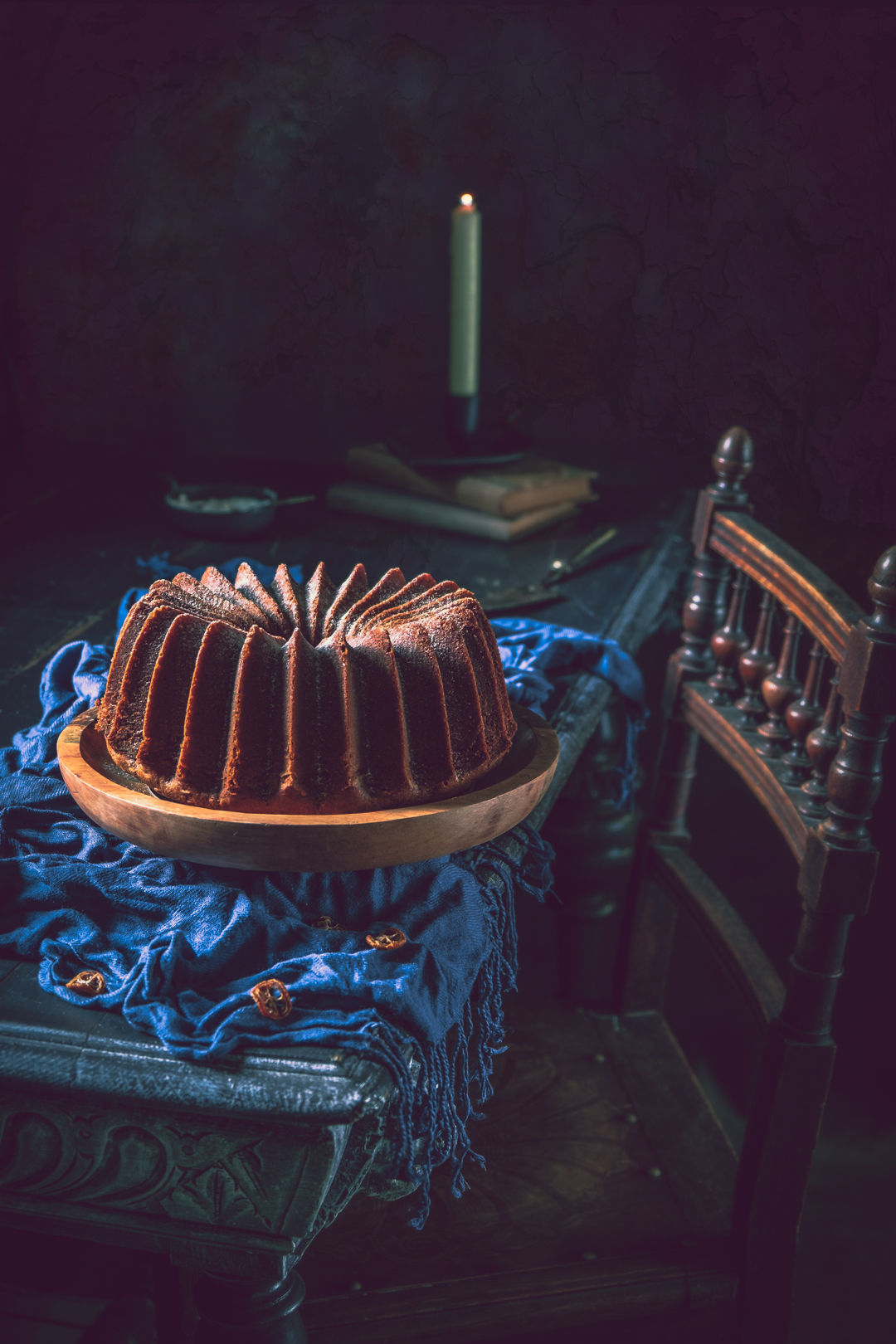
I made this cake recipe for the occasion of my daughter's birthday. To be sure it would be a successful cake, I did it 3 times. The first time was a catastrophe. If you recall, I have a bundt cake book that I love in terms of a combination of ingredients but it is way unbalanced when it comes to quantities. So, every cake is a real challenge. But I do not give up, because this is how I learn to adjust the recipes. The more I fail, the more I search for the mistake and I fix it with the next bake. This is how I grow my experience with baking.
The first one rose nicely in the oven but when cooling it fell down to a level lower than before the baking. I've learned 3 lessons: first, the butter needs to be at room temperature when I bake this type of cake, second, never trust the timing mentioned in the recipe book and third, if you feel there is not enough flour to make a consistent batter, simply add it. My cake was undercooked in the middle and overcooked on the crust. The combination of those factors led to the cake falling down.
The second bake was a control bake and is the one you see in the photo. It turned out with a great crumb, exactly as I wished for. The third one was the cake that my daughter brought to school for her birthday and went exactly like the second one.
I learned my lessons and I've put another brick in my baking experience.
50% Semolina Sourdough Bread
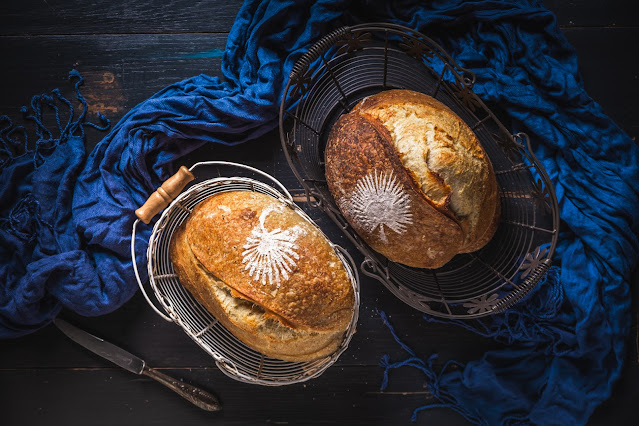
To make fantastic sourdough bread with any kind of flour you need to understand its characteristics.
Semolina (or semola rimacinata di grano duro) is made from hard wheat not from the common wheat usually used for bread flour. Semolina is very popular for making pasta, couscous, and porridge but it can be successfully used in bread as well.
Semolina has a coarser texture than classical flour but should not be confused with rice or corn semolina. Semolina comes from durum triticum wheat and when ground in a coarser texture is called semola rimacinata. If it is further ground to a very fine texture, it is called durum flour.
Besides its texture, semolina has a pale yellow colour, has a more earthy aroma and it is rich in proteins but forms a low-quality gluten. This makes the dough less extensible and affects its structure.
However, there are some tricks that you can apply to overcome this issue.
- First, you can improve the structure by adding strong bread flour into its composition and this is exactly what we'll do today.
- Then, you can make a longer autolyse of 2-3 hours to develop the gluten to its maximum potential.
- or you can increase the mixing time too for the same goal.
I invite you to watch the video of this bread to learn more tricks about it.
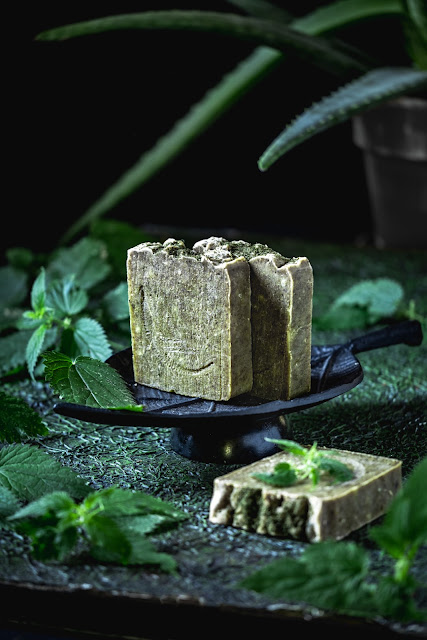
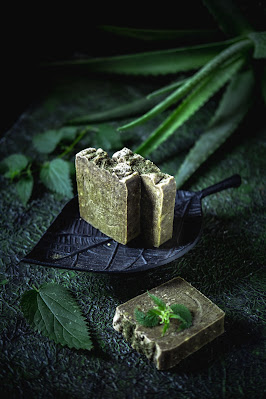
Nettle Aloe Vera Shampoo bar (version 2)
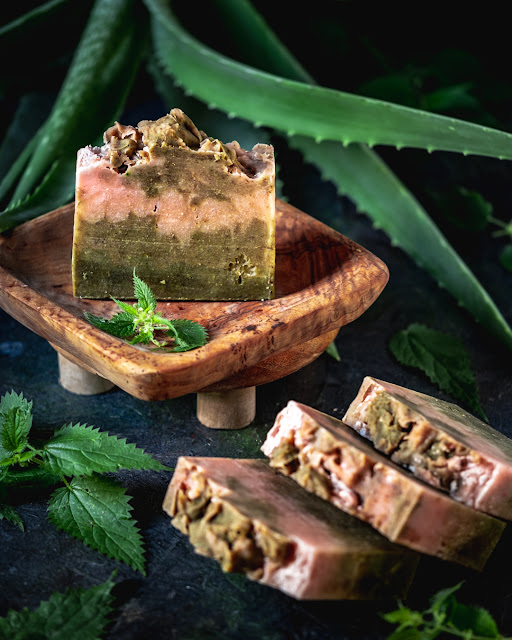
This is the second version of the Nettle Aloe Vera Shampoo bar and the last one in the series of recent soaps/shampoos.
Compared to the first version, this one is made in 3 layers (for decoration purposes) with rosemary, cedar and lavender essential oil. Made only with fantastic oils and butter for your hair, enriched with vitamin E.
Autumn soap
Nettle Aloe Vera Shampoo bar
Solid shampoo bars are my favourite because I can customise them to what I want. They are all natural and made by my own hands.
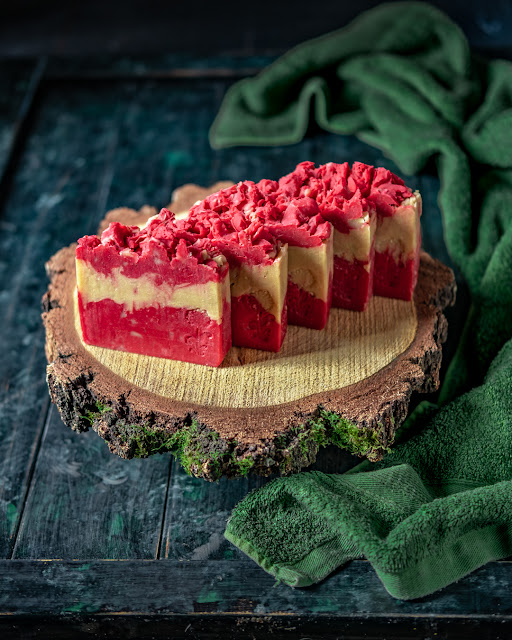
Recently I have done 3 types and I will share them here with you.
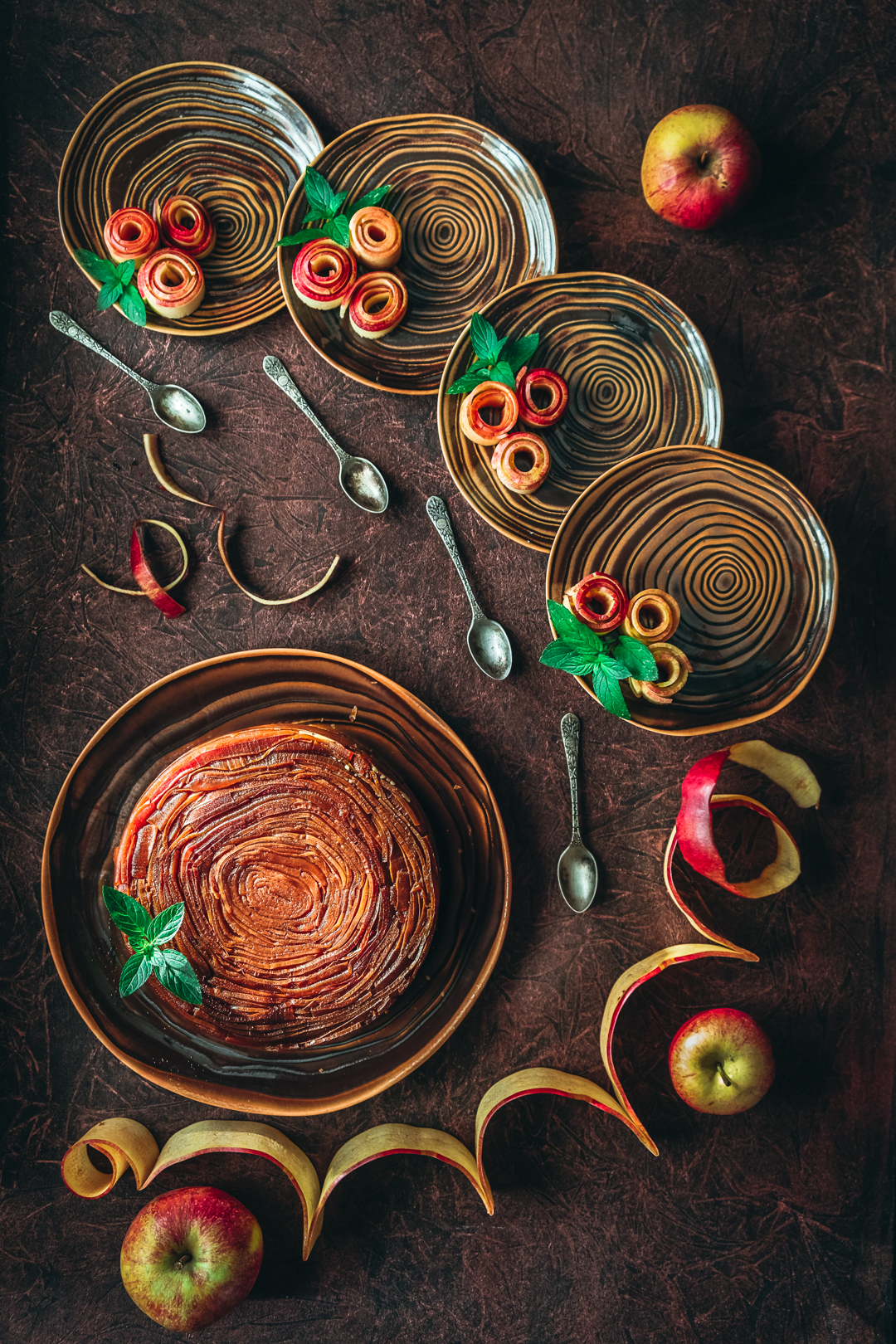
Tart Tatin in the style of Wiliam Lamagnère
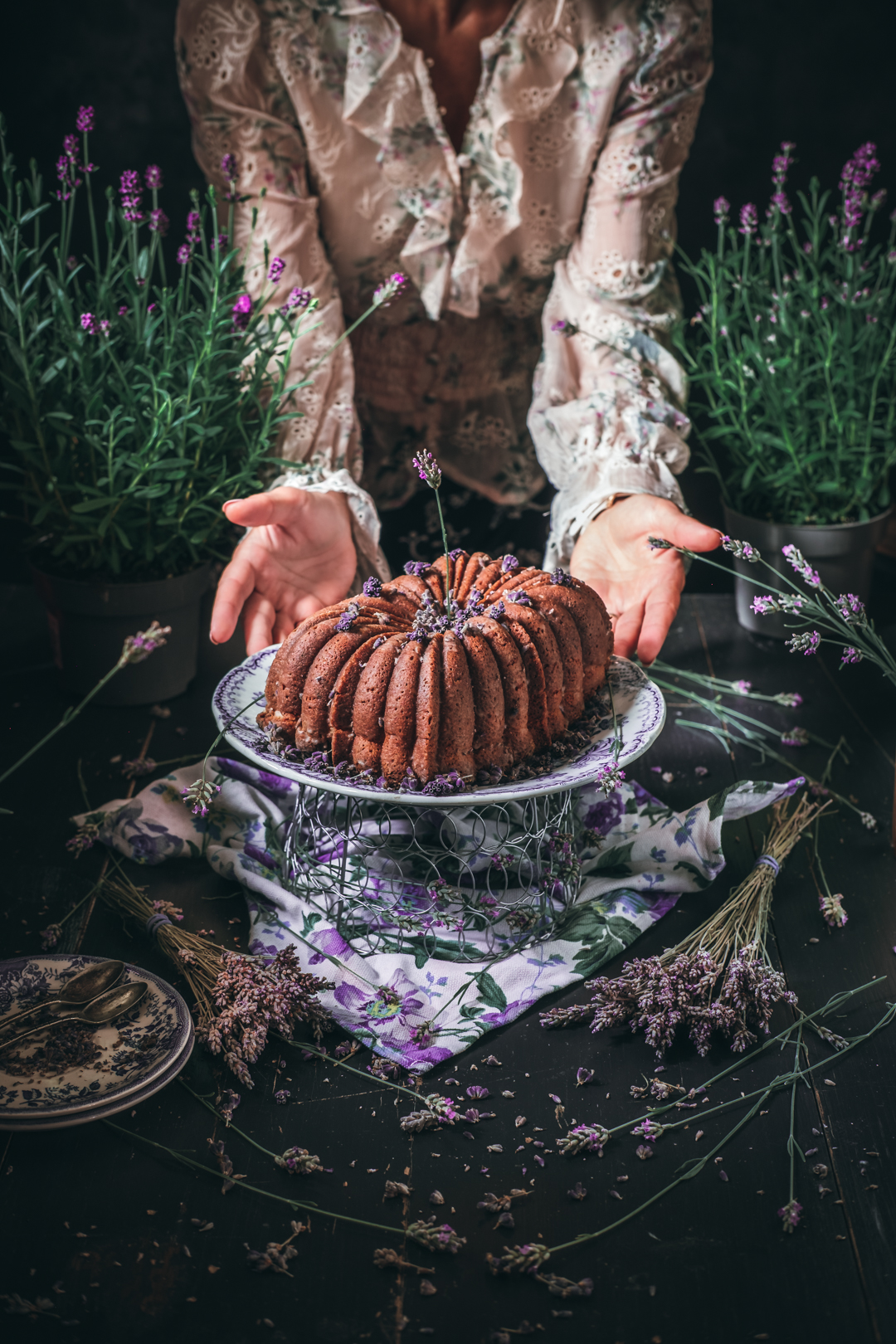
Lavender Cake
It is not the first time I use lavender in cakes, I've done Lavender Muffins and I loved their subtle flavour and aroma. Here I come now, with a little cake that turned out to be a great success as my kids loved it from the moment they've seen it. It was difficult to keep it for myself for some time just to film it and photograph it.